


People-Centric Development Depends on Dialogue, Cooperation and Shared Responsibility: Kuldeep Singh Pathania
Himachal Pradesh Assembly Speaker Emphasises Transparency, Women’s and Youth Participation, and Accountable Parliaments at the 12th BRICS Parliamentary Forum
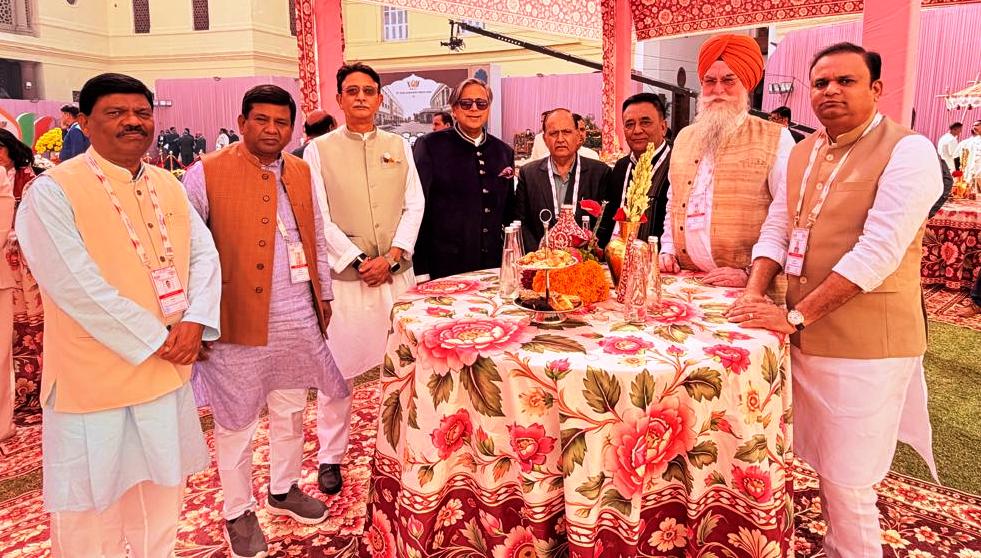
New Delhi: Himachal Pradesh Legislative Assembly Speaker Kuldeep Singh Pathania addressed the 12th BRICS Parliamentary Forum, hosted by the Parliament of India at the Parliament House in New Delhi, and said that the path to people-centric development lies in dialogue, cooperation and shared responsibility. He emphasised that parliaments must be transparent, accountable, participatory and inclusive to strengthen democracy and ensure that the benefits of development reach the last person in society.
The international forum was inaugurated by Lok Sabha Speaker Om Birla, while Rajya Sabha Deputy Chairman Dr. Harivansh was also present on the occasion. The historic conference witnessed the participation of presiding officers and parliamentary delegations from the 11 BRICS member countries and 10 partner countries.
Following the inauguration, Prime Minister Narendra Modi met representatives of the 11 BRICS member countries, parliamentarians from 10 partner countries, presiding officers of state legislatures and members of parliamentary delegations at Samvidhan Sadan of Parliament.
Transparency Essential for a People-Centric Parliament
Addressing the forum, Pathania stressed that transparency is essential for a people-centric parliament. Citizens have every right to know which issues their elected representatives are raising, how public funds are being utilised and what action is being taken on parliamentary recommendations.
He said transparency in parliamentary functioning strengthens public trust and ensures accountability in democratic institutions.
Highlighting the participation of women and youth, Pathania said their adequate and effective representation in parliaments is vital for inclusive development. Women constitute nearly half of society, and their experiences can bring a broader and more sensitive perspective to policymaking in key areas such as education, healthcare, security, employment and social welfare.
Himachal Pradesh Achieves Remarkable Progress Despite Geographical Challenges
Citing the example of Himachal Pradesh, the Assembly Speaker said the state is characterised by high mountains, deep valleys and remote settlements, where people live under challenging geographical conditions. Despite these difficulties, Himachal Pradesh has made remarkable progress in education, healthcare and social indicators.
He attributed these achievements to the hard work of the people as well as effective public representation, which has given a voice to the concerns of even the most remote villages in the Legislative Assembly.
He emphasised that democratic institutions can fulfil their true purpose only when they understand the needs of every section of society and every region and play an effective role in addressing their concerns.
Panchayati Raj Institutions Strengthen Grassroots Democracy
Pathania said Panchayati Raj institutions in Himachal Pradesh have strengthened grassroots democracy. Through Gram Sabha meetings, villagers collectively decide their development priorities, including the construction of roads, the implementation of drinking water schemes and improvements to school buildings.
This process enhances public participation at the local level and ensures that development initiatives reflect people’s priorities.
He added that reservation for women in Panchayati Raj institutions has instilled greater confidence in their participation. When women are equally involved in decision-making, policies become more sensitive, practical and result-oriented. This, he said, represents the true spirit of people-centric development.
Accountable Parliaments Can Ensure Development Reaches the Last Person
Concluding his address, the Assembly Speaker said strong, responsible and effective parliaments are essential for people-centric development. Parliament is not merely a lawmaking institution; it is also a vital platform for representing the aspirations, rights and needs of the people.
He said democracy can be brought closer to citizens by making parliaments more transparent, participatory, technology-enabled and inclusive. Strong parliamentary committees, effective oversight, quality legislation, the use of digital technology, greater participation of women and youth, citizen engagement and effective scrutiny in the public interest are among the key pillars of this approach.
Pathania emphasised that when citizens’ voices are effectively incorporated into policymaking and parliaments hold governments accountable, the benefits of development can reach the last person in society. Only then, he said, can democracy become truly meaningful and the development process genuinely inclusive.
Presiding officers of legislative bodies from various states, the Deputy Chairman of the Rajya Sabha, presiding officers from the parliaments of 10 partner countries and various parliamentary delegations were also present on the occasion.

Leave a Reply